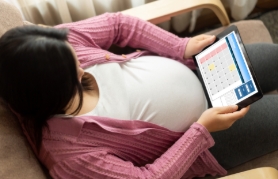
What Is a High-Risk Pregnancy?
High-risk pregnancy means there is a greater chance of health problems for the mother or baby. Sometimes, these risks are present before pregnancy. Other times, they develop during pregnancy. Because of this, high-risk pregnancy monitoring is very important. It helps doctors spot problems early and keep both mother and baby safe. According to the CDC, about 6–8% of pregnancies are considered high-risk.
Common Causes and Risk Factors
Many things can make a pregnancy high-risk. For example, some women have health conditions before pregnancy. Others develop issues while pregnant. Here are some common causes and risk factors:
However, even healthy women can face unexpected pregnancy complications. So, regular check-ups are important for everyone.
Why Monitoring Is Essential
Monitoring helps doctors find problems early. As a result, they can act quickly to protect both mother and baby. For instance, some issues may not show clear symptoms at first. With regular checks, doctors can spot these silent problems. Early action can prevent serious health risks. In addition, monitoring gives peace of mind to families.
Methods of Monitoring and What to Expect
Doctors use several methods to monitor high-risk pregnancies. Each method helps track the health of the mother and baby. Here’s what you can expect:
Sometimes, doctors may suggest extra tests. These help them get a clearer picture of your health. Although some tests may seem frequent, they are important for safety.
Benefits for Mother and Baby
High-risk pregnancy monitoring offers many benefits. First, it helps prevent serious problems. Second, it allows for early treatment if issues arise. Third, it supports healthy growth for the baby. Moreover, mothers feel more supported and informed. Some key benefits include:
Because of these benefits, regular monitoring is a smart choice for maternal health.
Lifestyle Guidance and Prevention Tips
Healthy habits can lower the risk of pregnancy complications. While not all risks can be avoided, you can take steps to stay healthy. Here are some tips:
Additionally, talk to your doctor about any concerns. Early action can make a big difference.
When to Seek Medical Help
Sometimes, problems can arise quickly. Therefore, it is important to know when to call your doctor. Seek help right away if you notice:
Even if you are unsure, it is better to ask your healthcare provider. Quick action can save lives.
Conclusion
In summary, high-risk pregnancy monitoring is vital for both mother and baby. It helps catch problems early and supports a healthy pregnancy. For the best care, follow your doctor’s advice and keep all appointments. Consult Dr Afsar Alam for personalized advice on high-risk pregnancy monitoring.