Introduction
During pregnancy, regular scans are important for both mother and baby. These scans help doctors check the baby’s growth and spot any problems early. In fact, many experts recommend regular scans as part of good prenatal care. By attending these scans, you can feel more confident about your baby’s health. Moreover, regular scans are safe and give valuable information at each stage of pregnancy.
What Are Pregnancy Scans?
Pregnancy scans, also called prenatal ultrasounds, use sound waves to create images of the baby inside the womb. These images help doctors see the baby’s size, shape, and movement. Usually, scans are painless and do not harm the mother or baby. For example, doctors use a small device called a transducer, which moves over the belly to capture pictures. Because these scans are non-invasive, they are a common part of prenatal care.
Key Reasons for Regular Scans in Pregnancy
There are several reasons why regular scans are important in pregnancy. First, they help track the baby’s growth. Second, scans can detect birth defects or other health issues early. Third, they show the baby’s position in the womb. In addition, regular scans help check the amount of amniotic fluid, which is vital for the baby’s health. Here are some main benefits:
Because of these reasons, regular scans are a key part of safe pregnancy care.
Types of Scans and Their Timing
Different types of scans are done at various stages of pregnancy. Each scan has a special purpose. For instance, the first scan often happens between 6 and 9 weeks. This early scan checks if the pregnancy is in the right place. Next, the dating scan, usually done between 8 and 14 weeks, helps confirm the due date. Later, the anomaly scan, around 18 to 22 weeks, looks for birth defects. Some women may need extra scans if there are health concerns. Here is a simple list:
Doctors may suggest more scans if needed for your health or the baby’s well-being.
How Scans Help Monitor Fetal Health
Scans play a big role in keeping track of the baby’s health. For example, they help doctors see if the baby is growing as expected. If there are any problems, doctors can act quickly. In addition, scans show the baby’s heartbeat and movement. This gives parents peace of mind. Sometimes, scans can spot issues with the placenta or umbilical cord. Because of this, doctors can plan the best care for both mother and baby.
Safety and Accuracy of Pregnancy Scans
Many parents worry about the safety of scans. However, studies show that ultrasound scans are safe for both mother and baby. According to the World Health Organization (WHO) and the Centers for Disease Control and Prevention (CDC), there is no known risk when scans are done by trained professionals. Also, scans are accurate in checking the baby’s growth and health. Still, it is important to follow your doctor’s advice and only get scans when needed.
What to Expect During a Pregnancy Scan
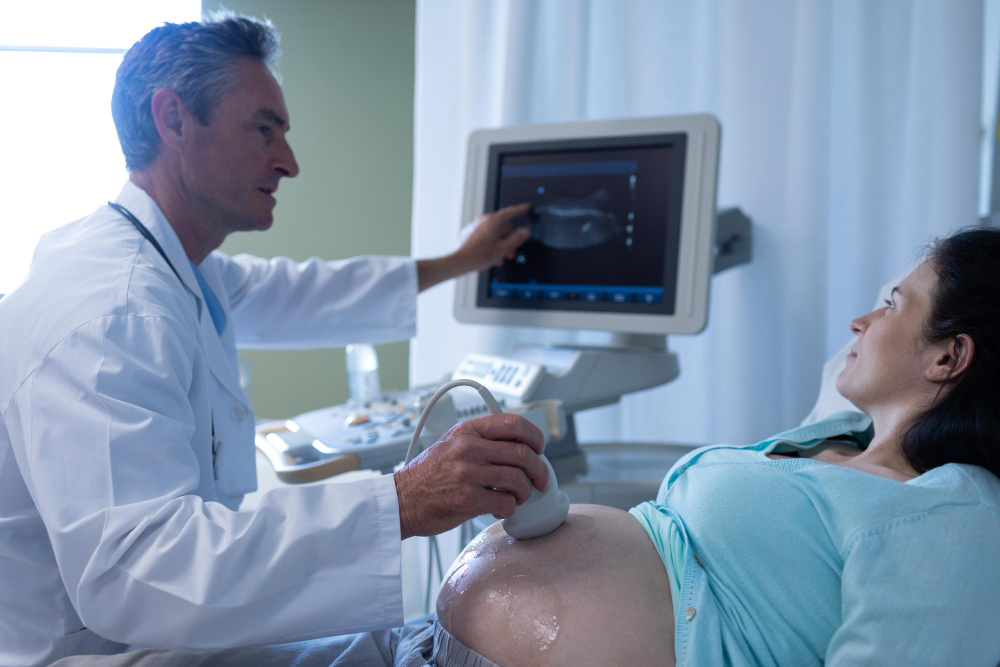
Knowing what happens during a scan can ease your mind. Usually, you will lie on a bed while a doctor or technician applies gel to your belly. Then, they move a small device over your skin. The device sends sound waves to create pictures of your baby. Most scans take about 15 to 30 minutes. You may see your baby on a screen during the scan. Sometimes, you can even take home a picture. After the scan, your doctor will explain the results.
Frequently Asked Questions About Pregnancy Scans
Tips for Expectant Mothers
To make the most of your pregnancy scans, consider these tips:
Remember, regular scans are a key part of good prenatal care. They help keep you and your baby safe.
Conclusion
In summary, regular scans are important in pregnancy for many reasons. They help track your baby’s growth, spot problems early, and give peace of mind. For the best care, always follow your doctor’s advice. Consult Dr Afsar Alam for personalized advice on pregnancy scans.