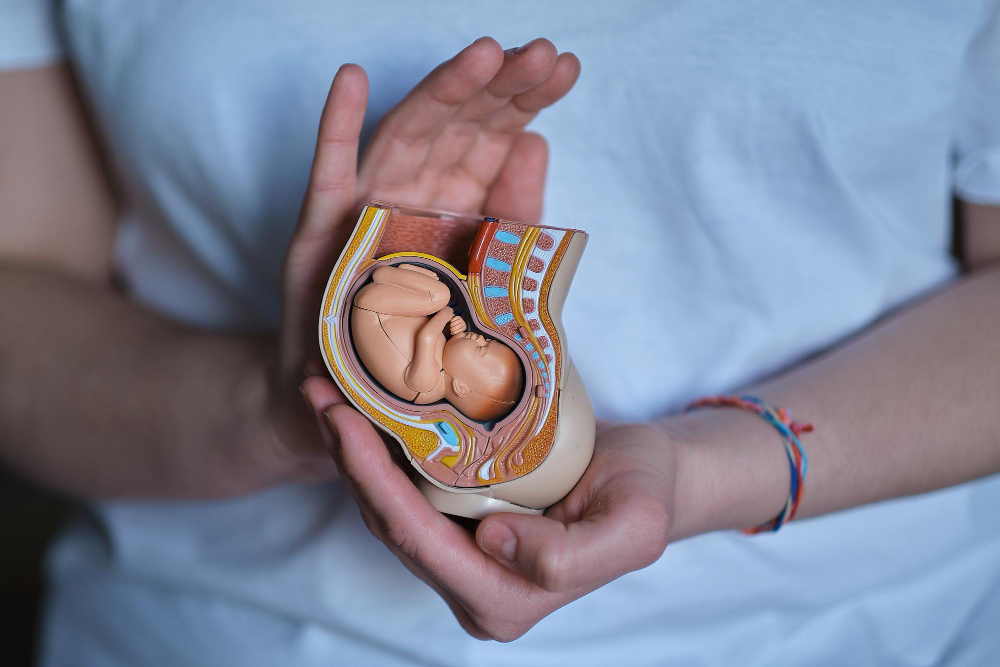
What is Fetal Growth Restriction?
Fetal growth restriction (FGR) means a baby is not growing as expected in the womb. Sometimes, doctors call it intrauterine growth restriction (IUGR). This condition can affect the baby’s health before and after birth. Because a baby’s growth is a key sign of well-being, FGR is important to watch for during pregnancy. Early detection helps doctors give the best care to both mother and baby.
Common Causes of Fetal Growth Restriction
Many factors can lead to fetal growth restriction. Some causes relate to the mother’s health, while others involve the placenta or the baby. Understanding these causes helps with prevention and treatment. Common causes include:
Recognizing the Signs and Symptoms
Often, fetal growth restriction does not cause clear symptoms. However, some signs may suggest a problem. For example, the mother may notice her belly is not growing as expected. Sometimes, the doctor finds that the baby is smaller than average during a prenatal visit. Other signs can include:
Because these signs can be subtle, regular prenatal care is very important.
How Fetal Growth Restriction is Diagnosed
Doctors use several methods to check for fetal growth restriction. First, they measure the mother’s belly at each visit. If the size is smaller than expected, they may order more tests. Common ways to diagnose FGR include:
Early diagnosis allows for better care and planning.
Management and Treatment Options
Once fetal growth restriction is found, doctors create a care plan. The main goal is to help the baby grow and stay healthy. Management may include:
Doctors follow guidelines from trusted sources like the World Health Organization (WHO) and the Centers for Disease Control and Prevention (CDC) to guide care.
Tips for Expectant Mothers to Support Healthy Fetal Growth
There are steps mothers can take to help their baby’s growth. For example, eating a balanced diet supports both mother and baby. Here are some helpful tips:
Following these steps can lower the risk of pregnancy complications.
Prevention and When to Seek Medical Advice
While not all cases of fetal growth restriction can be prevented, some steps can help. For instance, starting prenatal care early gives the best chance for a healthy pregnancy. If you notice less movement from your baby or have concerns, contact your healthcare provider right away. Early action can make a big difference.
Conclusion
Fetal growth restriction is a serious pregnancy complication, but early care can help. If you have questions or concerns about your baby’s growth, consult Dr Afsar Alam for personalized advice on fetal growth restriction.