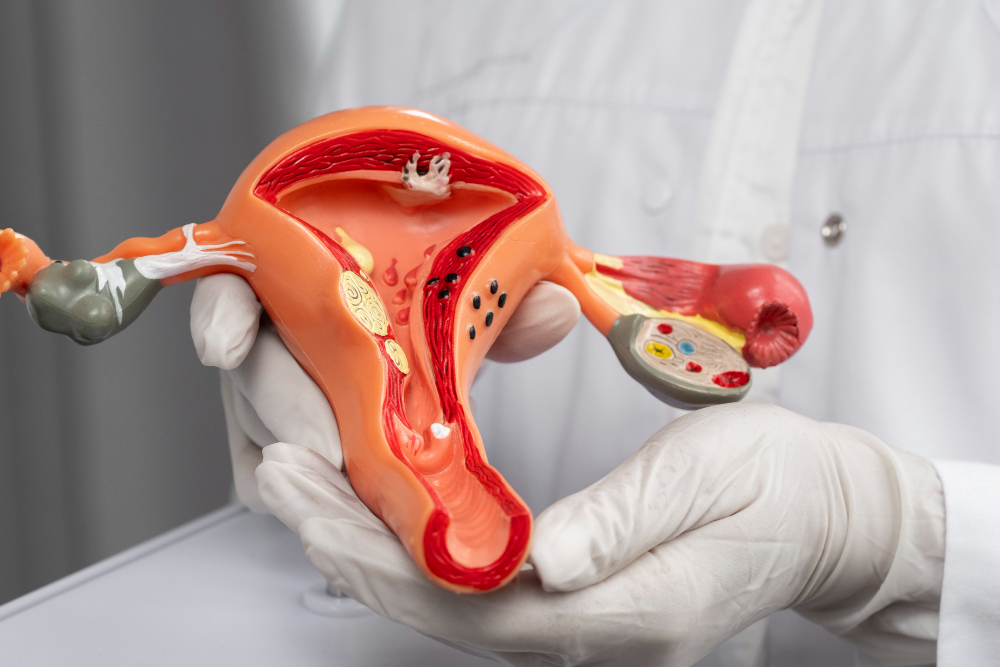
What is Cervical Incompetence?
Cervical incompetence is a condition where the cervix opens too early during pregnancy. Because of this, the baby may be at risk of being born too soon. The cervix is the lower part of the uterus. It should stay closed until the end of pregnancy. However, in some women, it weakens and opens too soon. This can lead to pregnancy loss or early birth. According to the CDC, cervical incompetence affects about 1 in 100 pregnancies.
Common Symptoms and Risk Factors
Often, cervical incompetence does not cause pain. Still, some signs may appear. For example, you may notice:
Some women have a higher risk. These risk factors include:
However, many women do not have any symptoms until the cervix starts to open. So, regular check-ups are important.
How is Cervical Incompetence Diagnosed?
Doctors use several ways to check for cervical incompetence. First, they ask about your medical history. Next, they may do a physical exam. Most often, an ultrasound is used. This test measures the length of your cervix. If it is shorter than normal, you may have cervical incompetence. Sometimes, the doctor may see the cervix opening during a routine check. Early diagnosis helps prevent pregnancy loss.
What is a Cervical Stitch (Cerclage)?
A cervical stitch, also called cervical cerclage, is a simple procedure. During this, the doctor places a strong stitch around the cervix. This helps keep it closed until your baby is ready to be born. Usually, the stitch is placed between weeks 12 and 24 of pregnancy. The procedure is safe and takes less than an hour. Most women go home the same day. According to the American College of Obstetricians and Gynecologists, cerclage can lower the risk of early birth in women with cervical incompetence.
How a Cervical Stitch Can Help Save Your Pregnancy
For many women, a cervical stitch can make a big difference. Because the stitch keeps the cervix closed, it helps prevent early labor. This gives your baby more time to grow. Studies show that cervical cerclage can reduce the risk of pregnancy loss and early birth. In fact, it is one of the most effective treatments for cervical incompetence. If you have had a pregnancy loss before, your doctor may suggest this procedure early in your next pregnancy. In some cases, a stitch may be placed as an emergency if the cervix starts to open.
Recovery and Aftercare Tips
After a cervical stitch, most women recover quickly. However, you may need to rest for a few days. Here are some tips for a smooth recovery:
If you have pain, bleeding, or contractions, contact your doctor right away. Usually, the stitch is removed around week 37, or earlier if labor starts.
Prevention and Lifestyle Guidance
While not all cases can be prevented, some steps may help. For example:
In some regions, access to care may differ. Therefore, seek care from a trusted clinic or hospital in your area.
When to Consult Your Doctor
It is important to talk to your doctor if you:
Early care can help prevent problems. Your doctor can guide you on the best treatment for cervical incompetence, including the cervical stitch for pregnancy.
In summary, cervical incompetence can be managed with the right care. A cervical stitch, or cerclage, is a proven way to help save your pregnancy. For personalized guidance on cervical incompetence and pregnancy care, consult a specialist today at Medicare Clinic today.