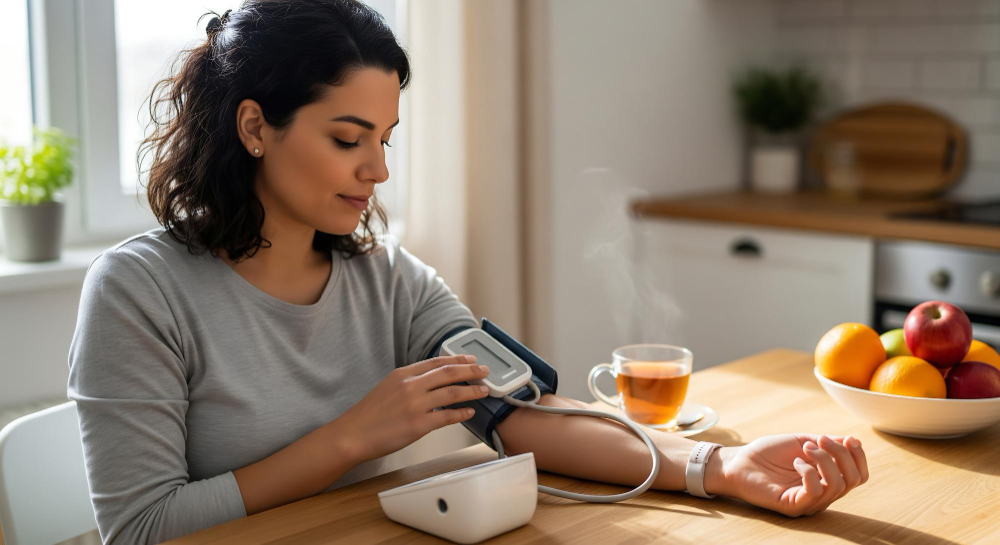
High blood pressure in pregnancy is a serious health concern. It means your blood pressure is higher than normal while you are pregnant. Early detection is very important. It helps prevent health problems for both mother and baby. Many women may not notice early signs of hypertension during pregnancy. However, regular pregnancy blood pressure monitoring can help catch problems early. By knowing the warning signs and preventing complications from high blood pressure, you can protect your health and your baby’s well-being.
What is High Blood Pressure in Pregnancy?
High blood pressure, also called hypertension, happens when the force of blood against your artery walls is too high. During pregnancy, this can develop for the first time or be a problem you already had. There are different types:
Each type needs careful attention. But with early detection, you can lower risks for you and your baby.
Why Early Detection Matters
Early detection of high blood pressure in pregnancy is very important. If left untreated, it can cause serious problems. For example, it may lead to preeclampsia, early birth, or low birth weight. In some cases, it can harm the mother’s organs. However, regular check-ups and pregnancy blood pressure monitoring help find issues early. This way, doctors can act quickly to prevent complications from high blood pressure.
Common Symptoms and Warning Signs
Often, high blood pressure in pregnancy has no clear symptoms. Still, you should watch for warning signs. Early signs of hypertension during pregnancy may include:
If you notice any of these, contact your doctor right away. Even mild symptoms can be important.
How High Blood Pressure is Diagnosed During Pregnancy
Doctors check your blood pressure at every prenatal visit. They use a cuff to measure the pressure in your arteries. If your reading is 140/90 mmHg or higher, it may mean you have high blood pressure. Sometimes, doctors may ask you to check your blood pressure at home. They may also order urine tests or blood tests to look for signs of organ problems.
Tips for Monitoring Blood Pressure at Home
Home monitoring can help you and your doctor keep track of your health. Here are some tips:
By following these steps, you can help spot changes early. This makes it easier to prevent complications from high blood pressure.
Prevention and Lifestyle Guidance
While not all cases can be prevented, healthy habits can lower your risk. For example, you can:
These steps support your overall health and may help prevent high blood pressure in pregnancy.
When to Seek Medical Help
Sometimes, high blood pressure in pregnancy can become an emergency. Seek medical help right away if you have:
Early action can save lives. Do not wait if you feel something is wrong.
In summary, high blood pressure in pregnancy is a serious but manageable condition. Early detection, regular pregnancy blood pressure monitoring, and healthy habits are key. If you notice any warning signs or have concerns, consult your healthcare professional for personalized advice. Your health and your baby’s health are worth it.
For expert pregnancy care and personalized monitoring of high blood pressure, consult Dr. Afsar Alam today.